Where Civil Society Meets
South Africa’s civil society has never lacked purpose. What it has lacked is a permanent table, one where organisations, movements and communities can coordinate without losing their independence, hold power to account without waiting for permission, and build the kind of durable, cross-sectoral infrastructure that outlasts any single campaign, cycle or crisis.
The Civil Society National Dialogue Caucus (CSNDC) is that table: an independent, non-partisan coordination platform organising civil society’s collective voice to strengthen democratic participation, public accountability and the advance of a shared social justice agenda in South Africa.
About the CSNDC
The CSNDC is a voluntary civil society caucus and coordination platform, not a separate organisation competing for space in an already crowded sector, but a shared space where organisations, movements, networks and community formations bring their independent mandates to a common table. Members coordinate, deliberate and organise around a shared agenda for democracy and social justice, without surrendering their own identities, positions or public voice.
Established to strengthen civil society’s participation in South Africa’s National Dialogue process, the Caucus was built from the outset to outlast that process, it is a piece of permanent civic infrastructure.

Our Purpose
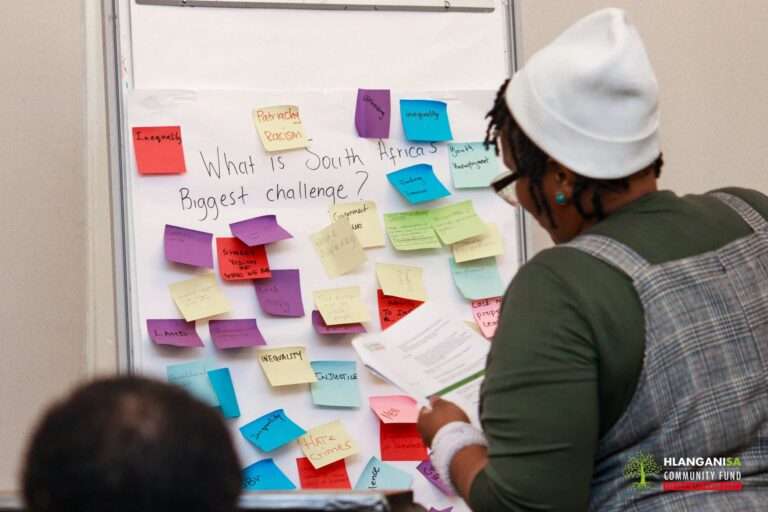
Coordinate civil society engagement
We organise civil society's participation across the National Dialogue and the democratic processes that follow it, so that no single organisation has to show up alone.
Strengthen grassroots participation
We work to ensure that working-class, rural, township and informal-settlement voices shape the agenda, not just comment on it after institutional actors have set it.
Promote transparency and accountability
We hold ourselves, and the processes we participate in, to open reporting, accessible records and decisions that are explained rather than assumed.
Support civil society's independent public voice
Where a process fails to reflect the realities of affected communities, civil society retains the right to say so clearly, and without needing permission.
Monitor public processes
We track commitments, follow through on them, and publish what we find, because accountability that isn't monitored is just a promise.
Build long-term civic infrastructure
We are organising for the years after this cycle ends, the difference between mobilisation and infrastructure is what survives when the moment passes.
How We Work
Programmes and Dialogue
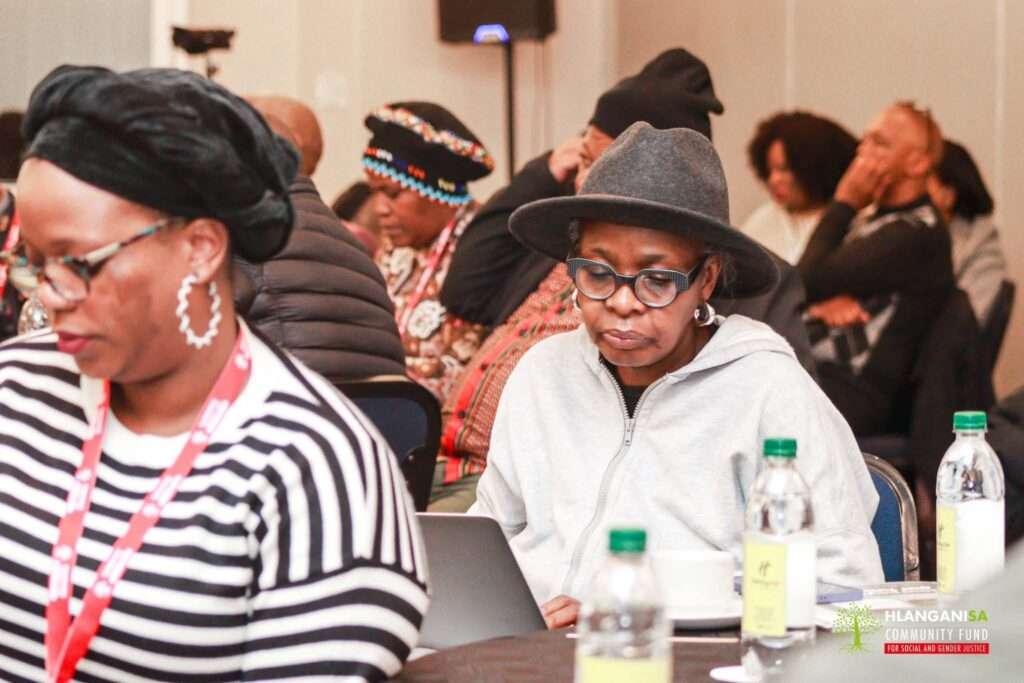
Designs and coordinates civil society’s thematic and community dialogues, training and knowledge outputs.

Finance Oversight and Resource Governance
Monitors the transparency and accountability of resources raised or used in the Caucus’s name.
Communications and Public Voice
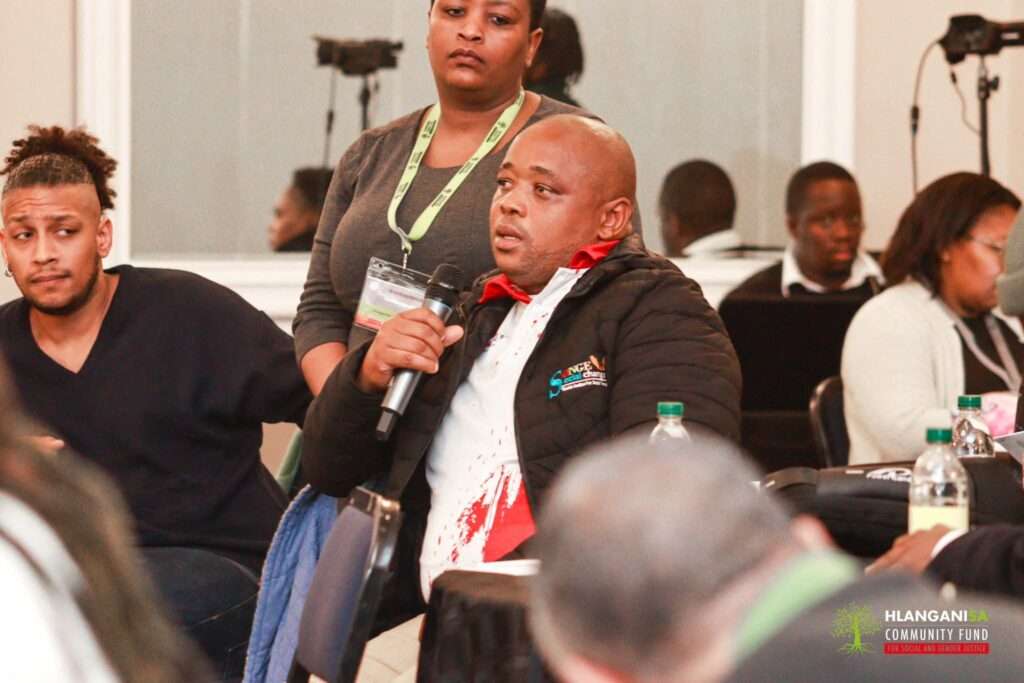
Develops mandated public messaging and protects the independence of the Caucus’s voice.
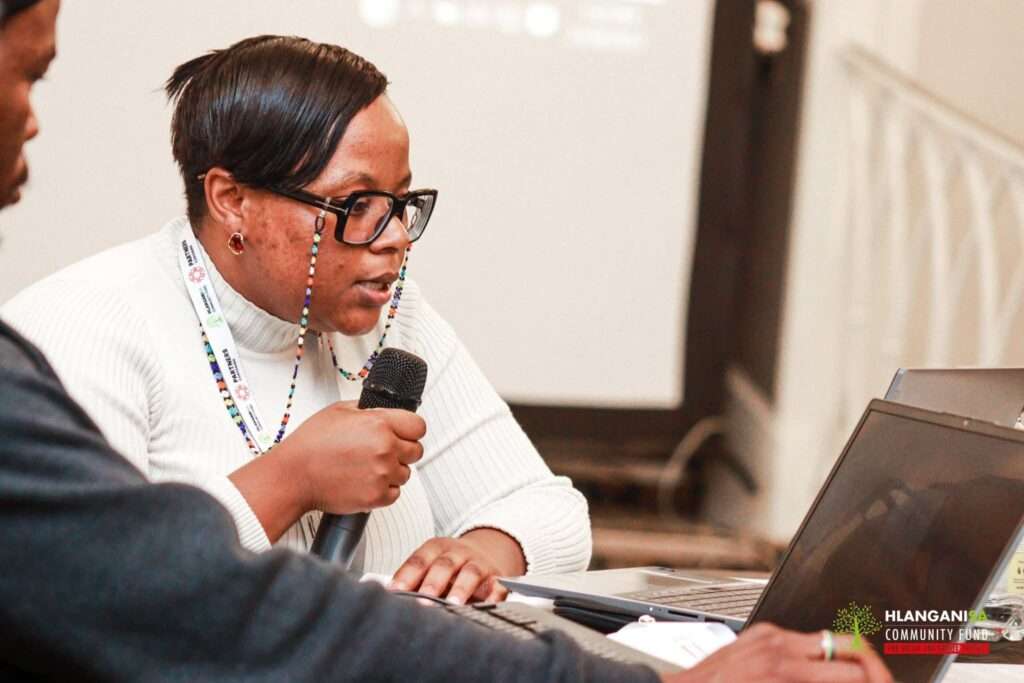
Monitoring, Accountability and Evidence
Tracks commitments made to civil society and builds the evidence base to hold them to account.

Grassroots Mobilisation and Community Dialogues
Anchors ward-level, rural, township and working-class participation in everything the Caucus does.
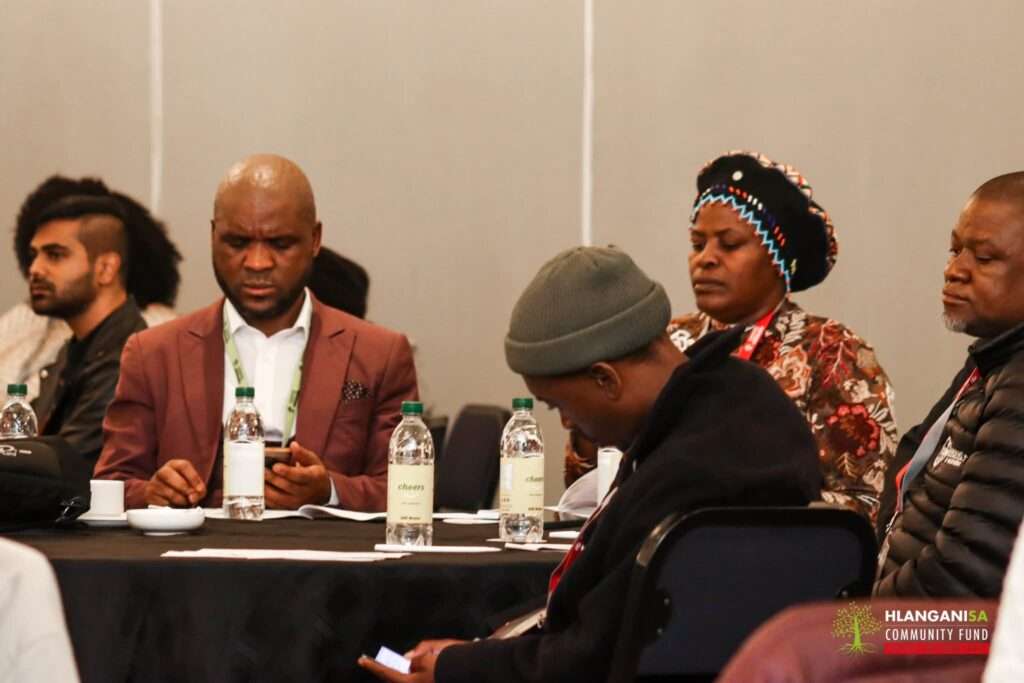
Safeguarding, Ethics and Protection
Builds the protocols that keep dialogue safe for the people most exposed by taking part in it.
The Youth Dialogue Series
Following the successful conclusion of our migration, immigration and diaspora dialogue series, the Caucus’s pilot dialogue programme turns this month to young South Africans — examining how identity, economic exclusion and gender-based violence intersect in their lived experience, rather than treating each as a separate issue.
Latest Publications
From dialogue synthesis reports to independent monitoring findings, this is where the Caucus’s collective outputs live – including the newly consolidated recommendations from our migration, immigration and diaspora dialogue series.
Get Involved
Join the Caucus
Bring your organisation's mandate to the table.
Attend a Dialogue
Participate directly in the conversations shaping our positions.
Partner With Us
Support the infrastructure, without compromising our independence.
Join a Workstream
Put your capacity where the Caucus's work actually happens.
Contribute Research
Strengthen the evidence base behind what we say publicly.